
The Venetian Shadow
Pitch
As an intelligence agent, you have been assigned a mission to locate and observe a rumoured meeting between two crime syndicates. Your briefing emphasises the need to remain undetected and focus solely on gathering information. Once the objective is complete, you are instructed to exit the area immediately.
Goals
Design an environment with logical space planning that feels authentic to the narrative.
World design with readable and clear architecture.
Linear level with open areas for exploration and combat.
A design that supports a spy surveillance mission with silent takedowns.
Project breakdown
Solo 6 Weeks halftime (4hours/day)
Created using Unreal Engine 5 & Blender
Template Scripts by TGA including player movement and enemies
Additional Scripts created by me
MARKETPLACE AND ASSETS USED:
Blockout Tools Plugin by Dimitry Karpukhin
Blockout Starter Pack by Xavier Loux
Hollywood Movie Props VOL.3 by Dekogon Studios
Broadcast Studio by Warren Marshall
Power Generator by RamanTitus
Awning by Plaggy
Tower Crane by Chamod1999
Portable Light Tower by RedHyacinth
Construction Lights by Salt Lake Manor
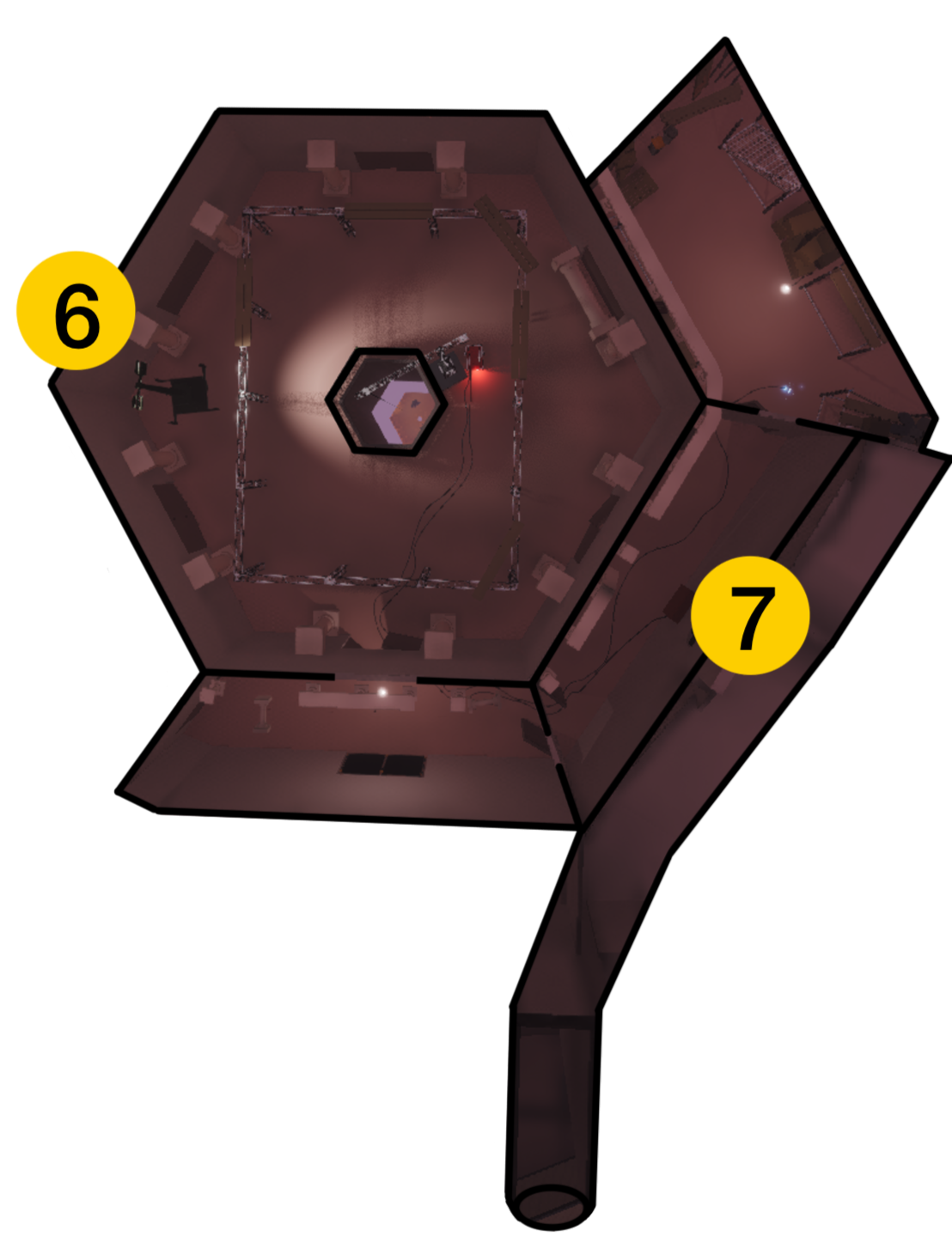
Overview
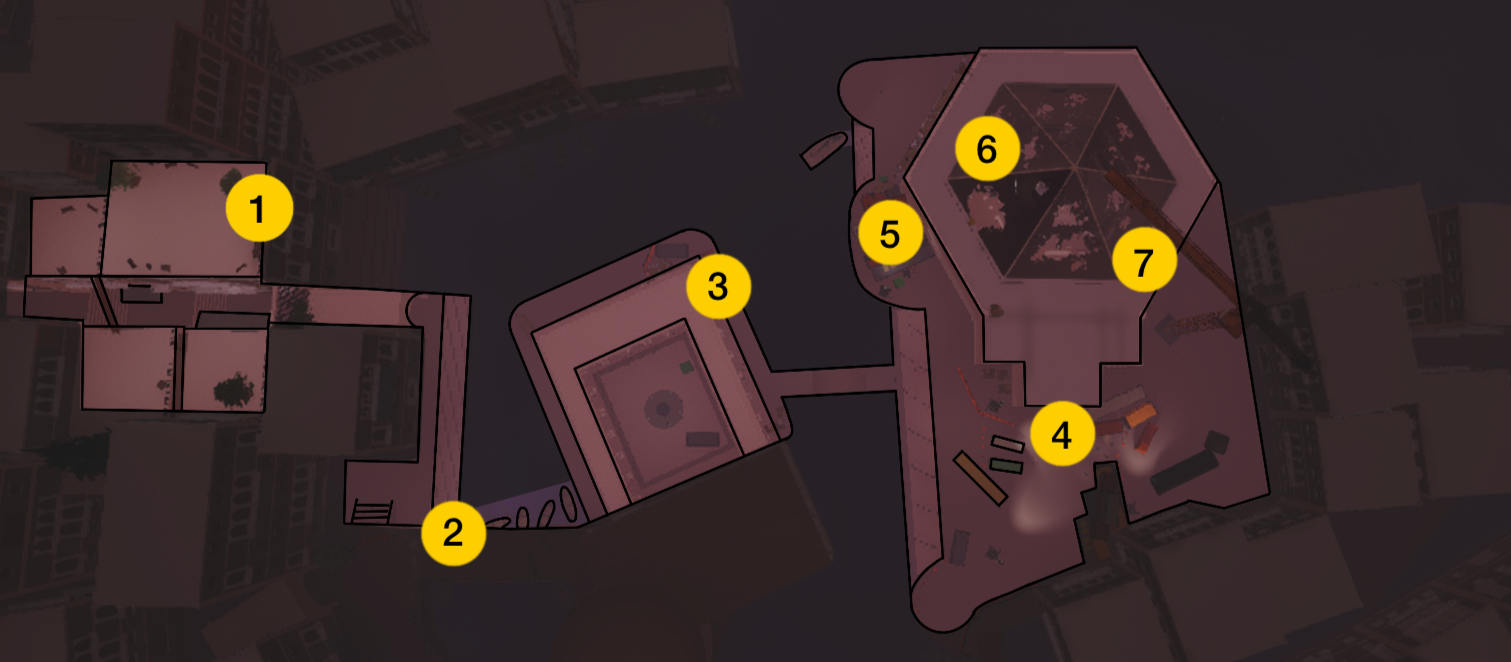
1
2
3
4
5
6
7
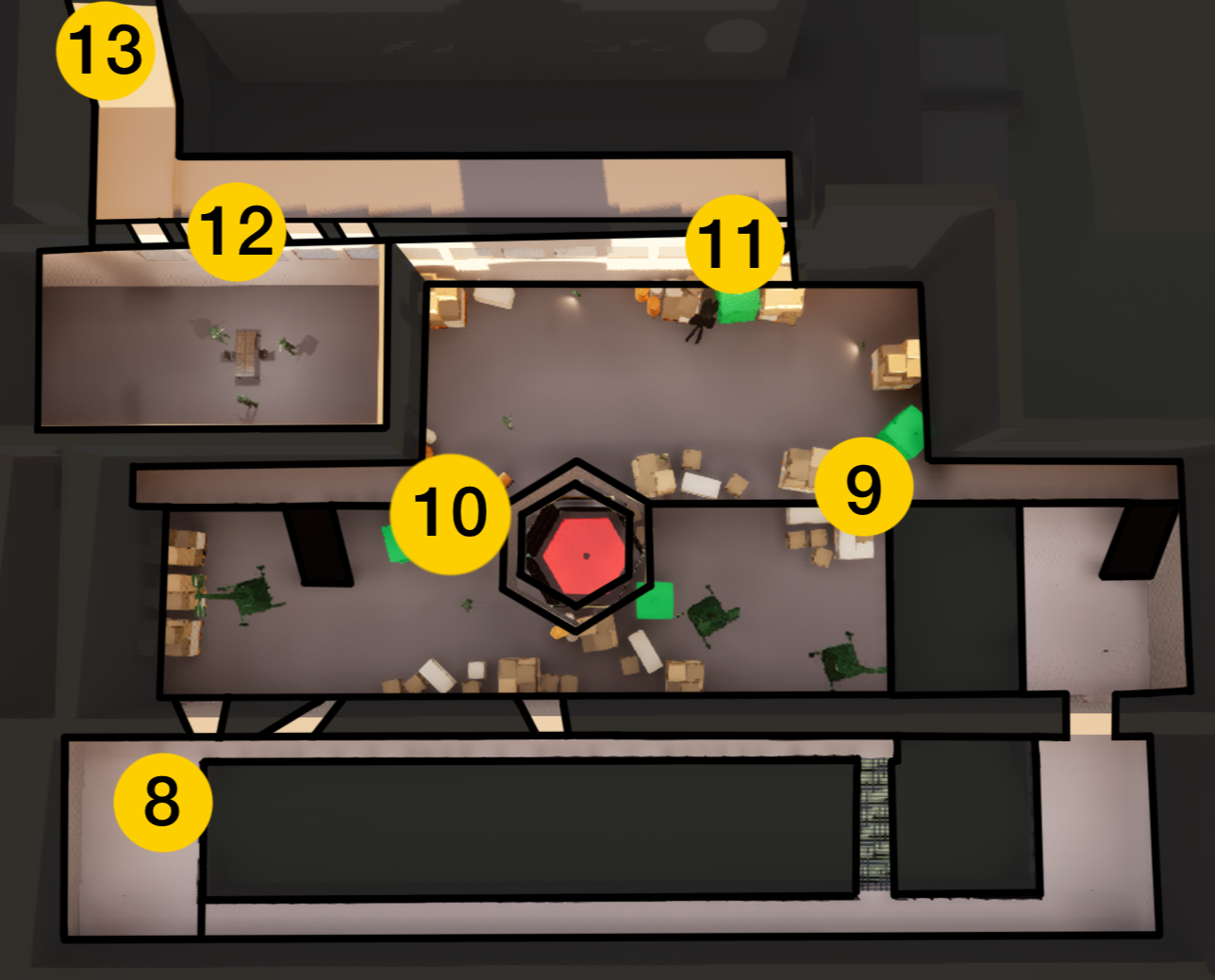
8
9
10
11
12
13
LEVEL START
CROSSING THE WATER
FIRST ENEMY TAKEDOWN
MUSEUM ENTRANCE
PASSAGE THROUGH CARGO CONTAINERS
& LEVEL ENDING
MUSEUM ROOF ENTRANCE
ENTRANCE TO SEWERS
SEWERS START
DISCOVERY OF POINT OF INTEREST
ENEMIES - TAKEDOWNS REQUIRED
ENTER VENTS
COMPLETE MISSION
ESCAPE THE VENTS
Act I
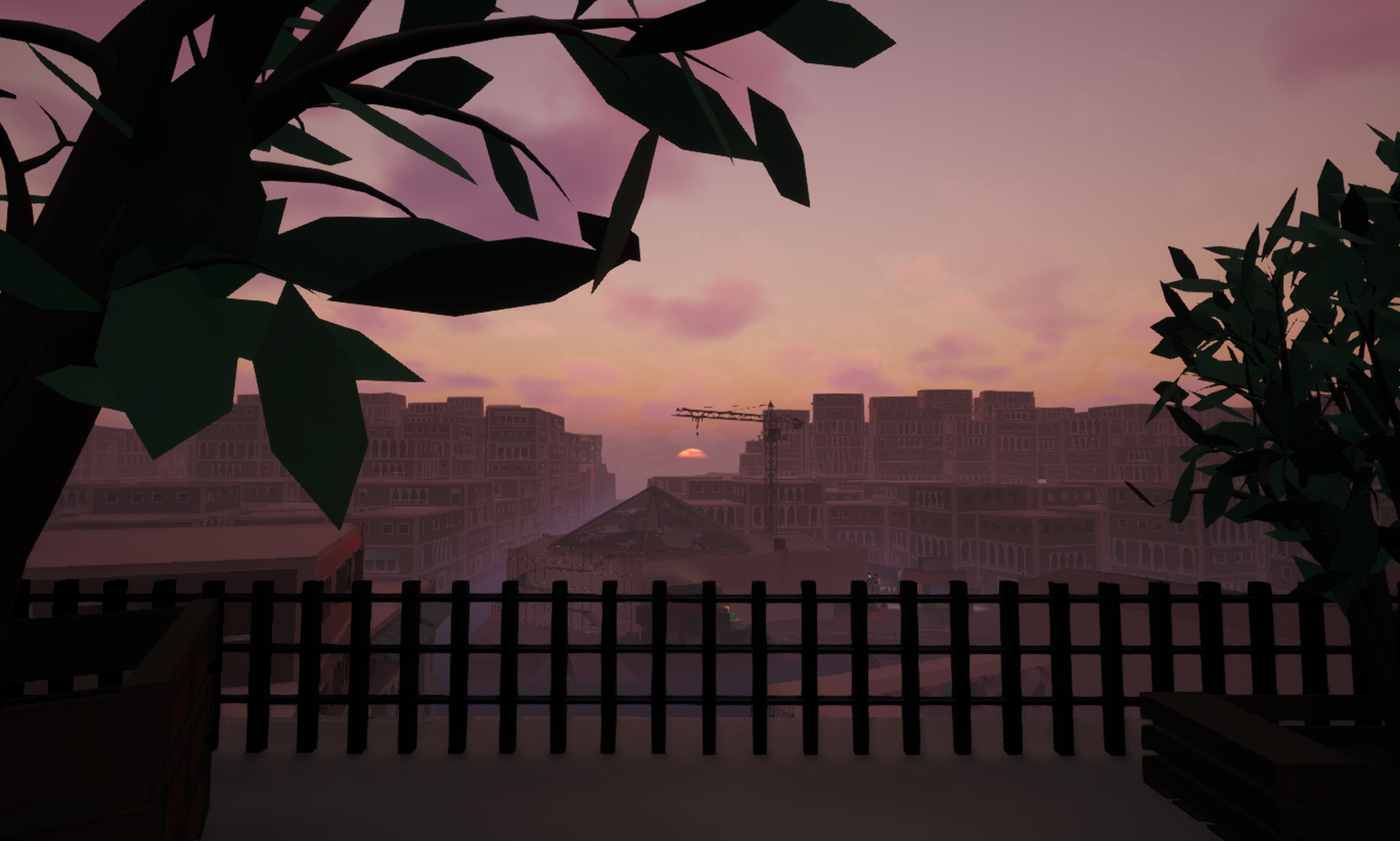
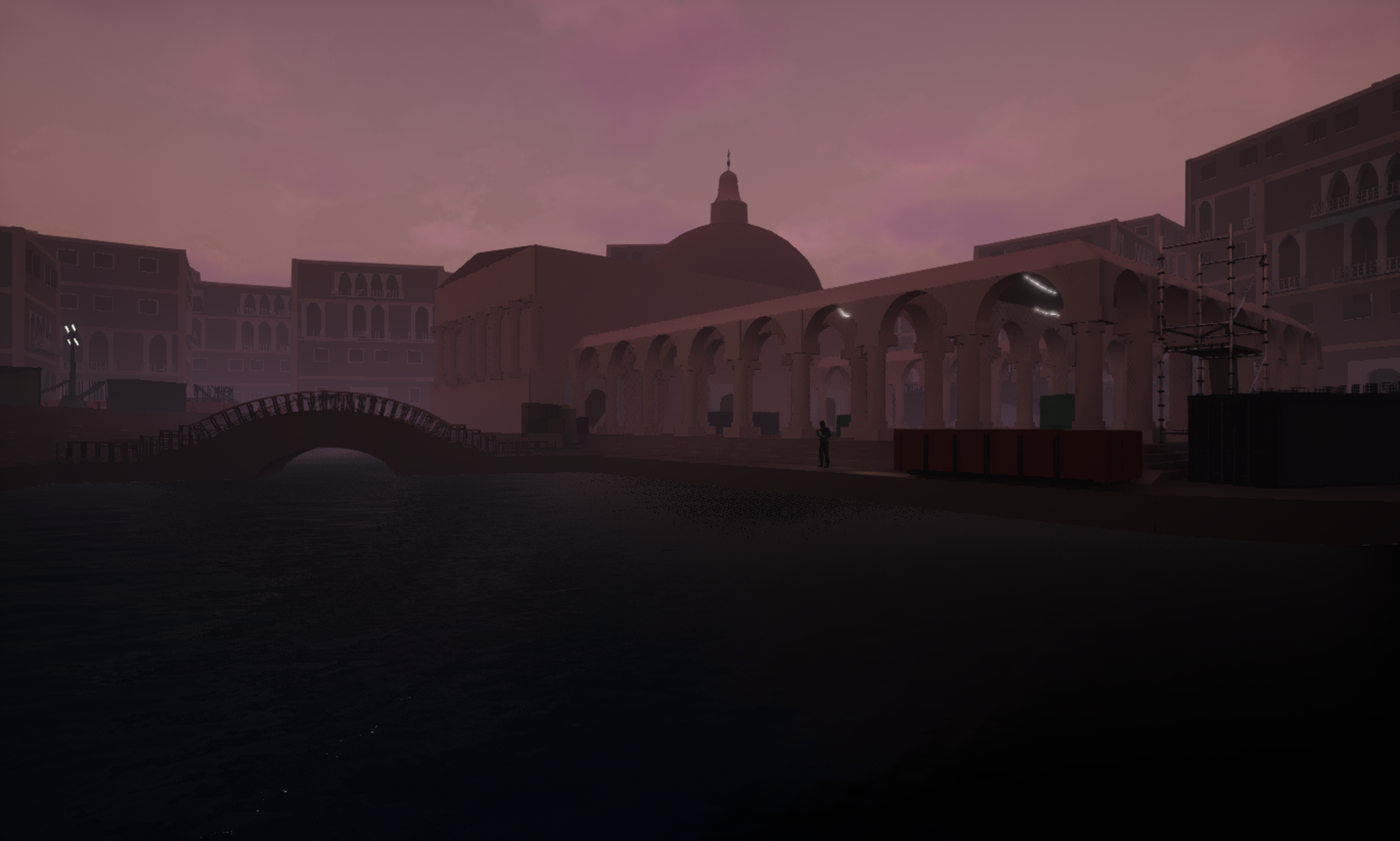
Introductory vista
The level opens with an establishing shot of the above ground environment, presenting the full layout and drawing attention to the museum as a point of interest. This is achieved through careful placement of the sun and a tower crane to highlight and frame the museum.
To sell the spy theme, the player is introduced to rooftop traversal, navigating above street level and maintaining a sense of stealth. This is followed by a transition through an interior space, where the player descends by jumping across awnings, introducing vertical movement and maintaining gameplay flow.
When exiting the alleyway, the space opens up into a wider area, framed by an archway. This architectural framing is used to create acontrolled reveal, adding a sense of discovery.
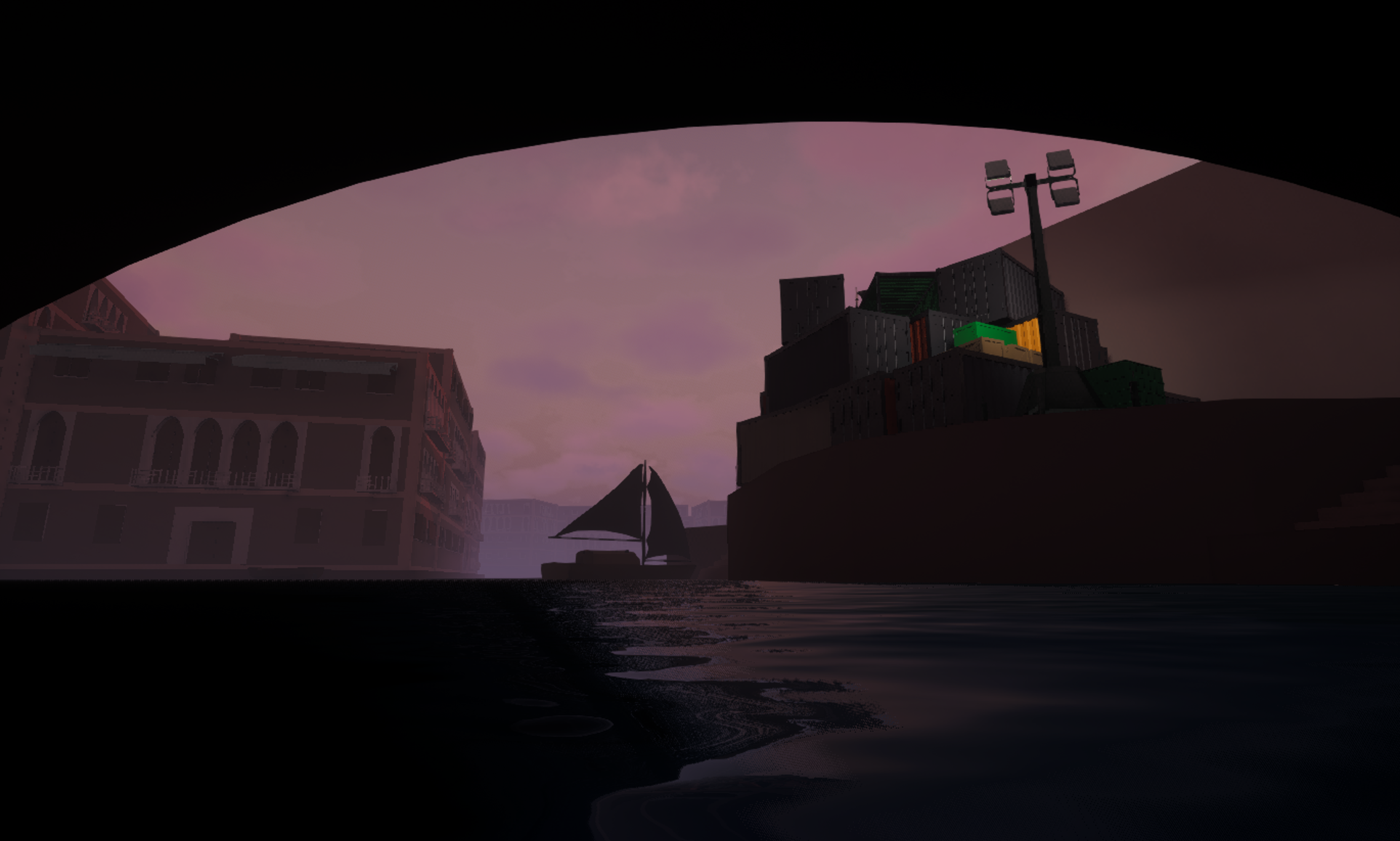
uNDER THE BRIDGE
The player encounters a path guarded by enemies, introducing a gating mechanic through enemy placement. To encourage player choice and stealth oriented play, an alternative route is provided via boats, which are strategically placed to feel natural while guiding the player forward.
On the opposite side of the water, the player is confronted with their first combat encounter. This encounter space is designed with intentionalcover placement, where pillars and large props provide both full and half covers. These elements support tactical decision making, allowing the player to analyze the environment and creating spatial awareness.
tAKEDOWN
To proceed undetected, the player is required to quietly take down the enemy, preventing them from alerting others. This encounter is intentionally designed as a low risk “snack kill”.
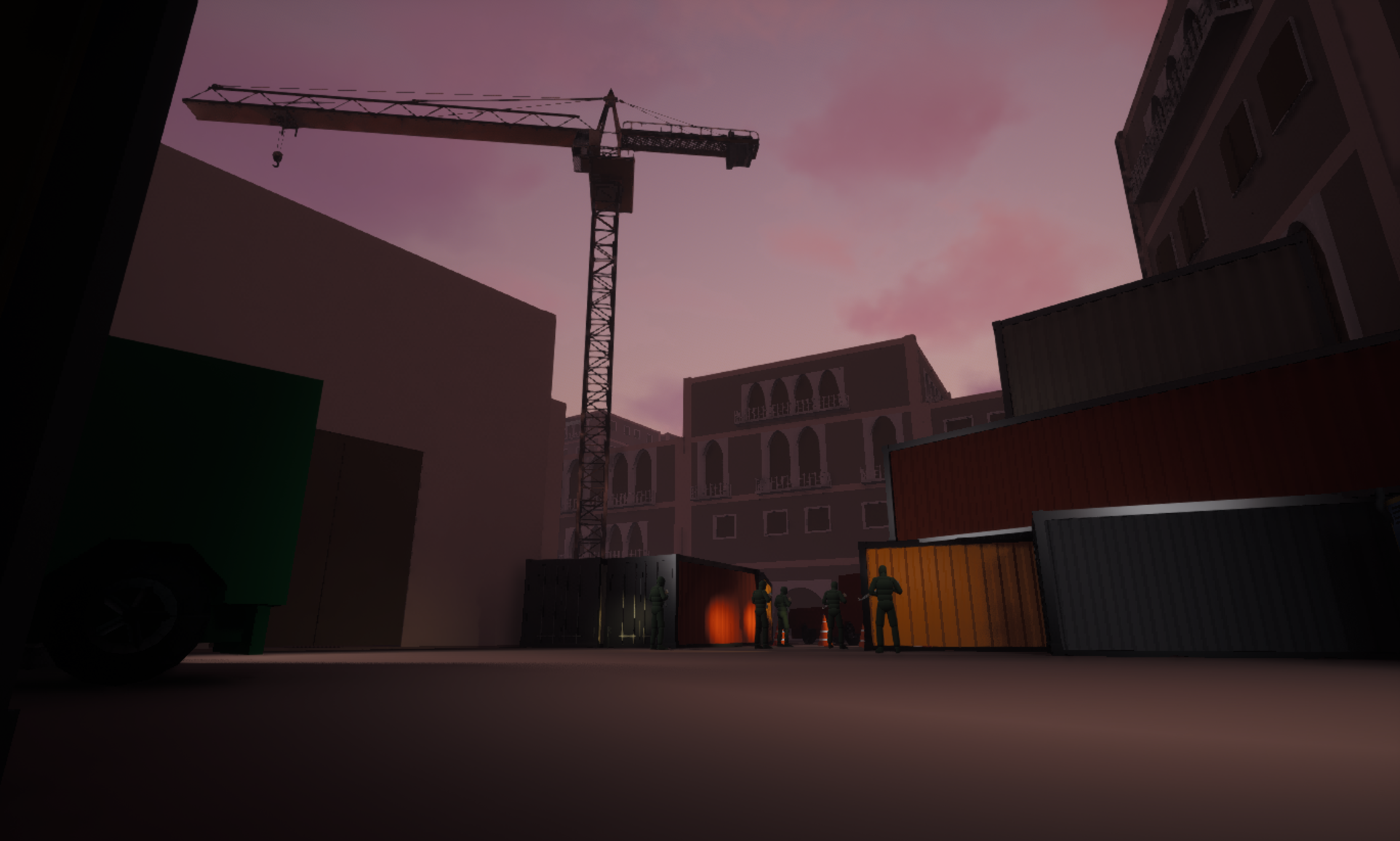
Following this, the player is guided towards the museum entrance through the use of lighting cues, with construction lights directing attention and sparking curiosity.
At the entrance, a group of enemies create a soft gate, signalling increased difficulty. This encounter forces the player to seek alternative routes, adding exploration to the experience.
Act II
dERELICT mUSEUM
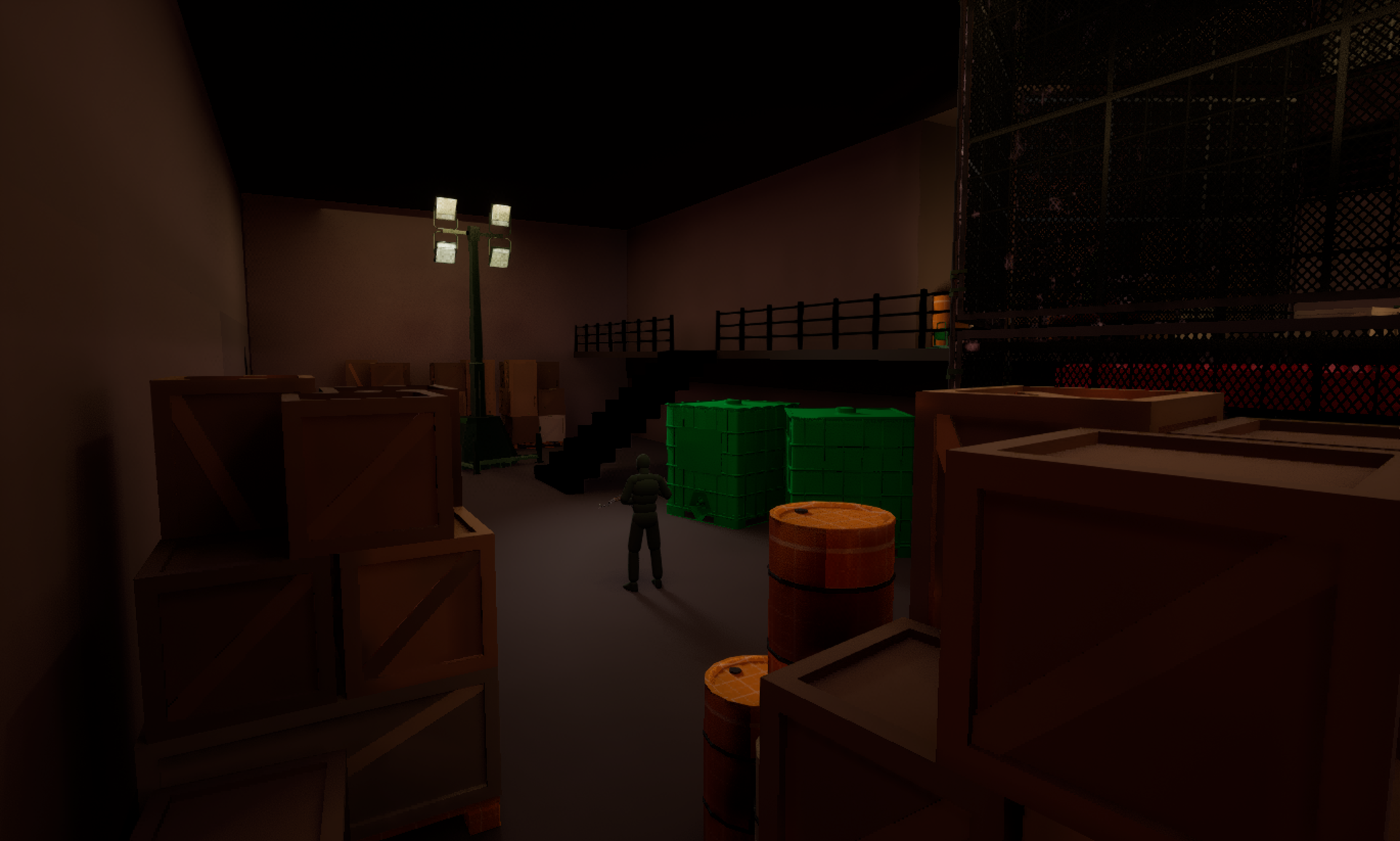
Progressing through an arrangement of containers, the player is funneled into a new space where scaffolding spans the museum walls, adding more verticality and a shift in spatial dynamics.
The use of scaffolding is both thematic and functional, adding to the construction site setting. This section is designed to guide the player upward, using the environment to create a clear path of progression.
Reaching the top of the museum, the player encounters a dome like roof with cracked and broken glass, which serves as openings that indicate possible entry points.
A yellow tarp creates affordance, allowing the player to understand where to go next without explicit instructions.
fOLLOWING A LEAD
A scripted event is used to show enemies descending on a construction lift, hinting at the location of where the secret meeting is taking place. This foreshadows that the player will later explore the lower floors of the museum.
The player is then guided forward through the use of environmental cues, following exposed wiring. This leads to a room containing an open ventilation shaft, which is emphasised through a broken fan blade and electrical sparks draw.
These elements function as diegetic guidance, ensuring the player can identify the correct route, while maintaining immersion.
dOWN THE DRAIN
As the player moves through the ventilation shaft, a script is implemented to bring the camera closer to the player, preventing potential camera clipping within a confined space.
At the end of the shaft, the player is given a view of the exterior environment, supporting the player's mental map to understand their position within the broader layout.
Shortly after, a hatch opens beneath the player, forcing a drop down. This moment acts as a one way transition, locking the player into the next area.
Act III
Closing In
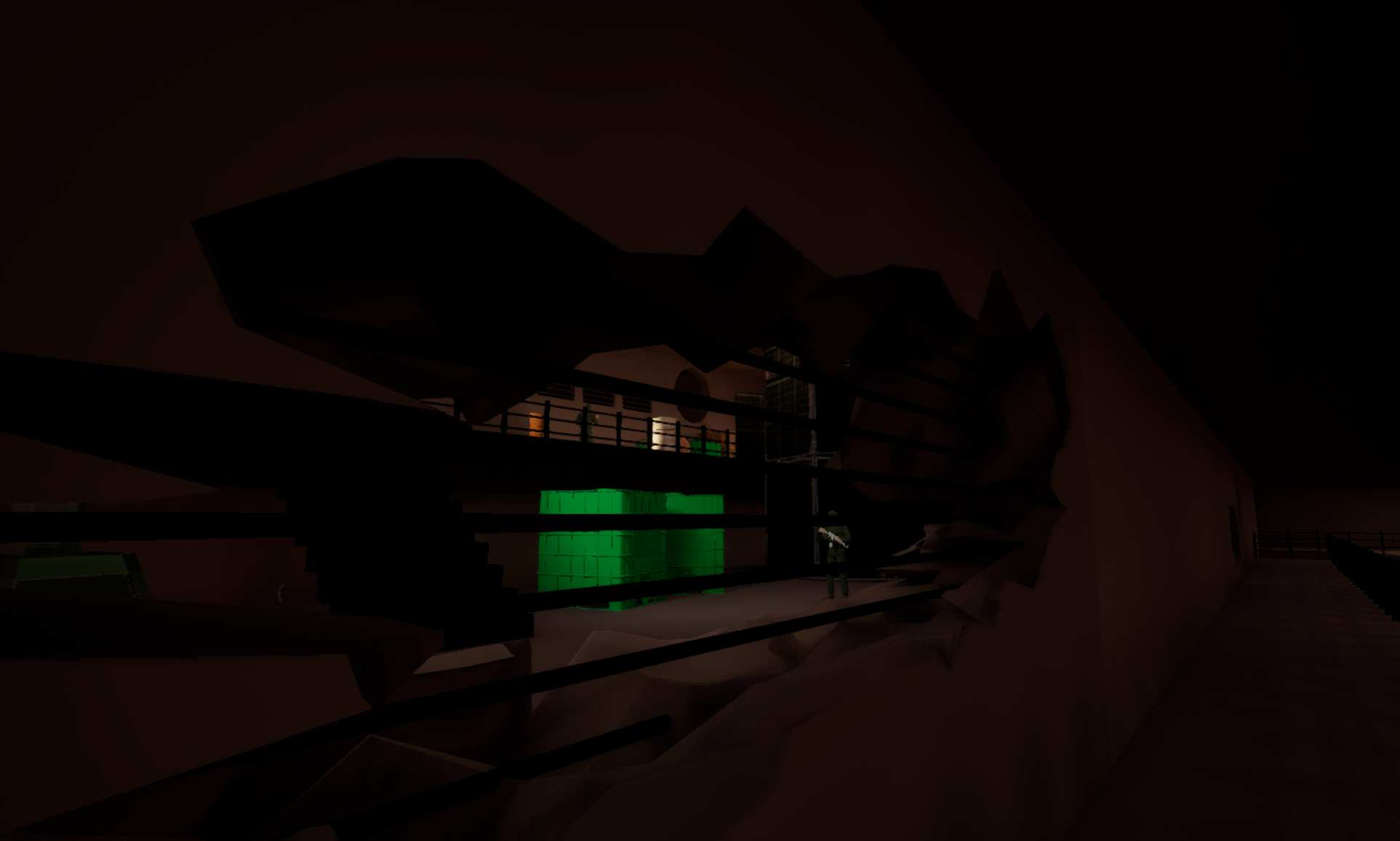
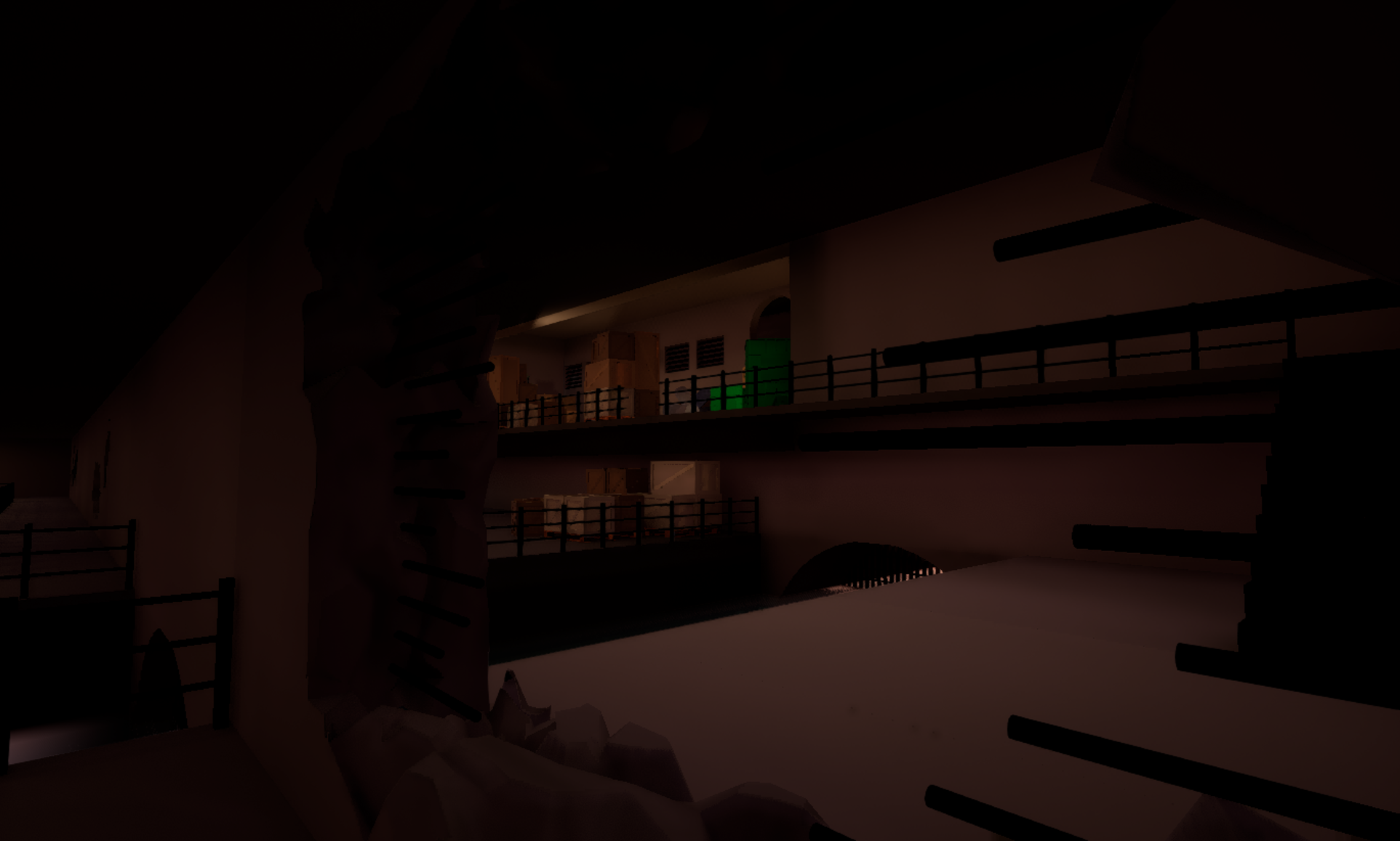
Upon arriving in the sewers, the player is confronted with a crumbling wall with large openings. Enemies positioned on the opposite side act as breadcrumbing elements, drawing the player’s attention forward.
As the player advances, the space opens into branching paths that support player choice. The forward path highlights an open ventilation shaft, serving as a point of interest.
To support stealth focused gameplay, the left path is designed as a safer alternative, enabling the player to perform silent takedowns while progressing. This section creates an opportunity to assess risk vs reward.
Mission Completed
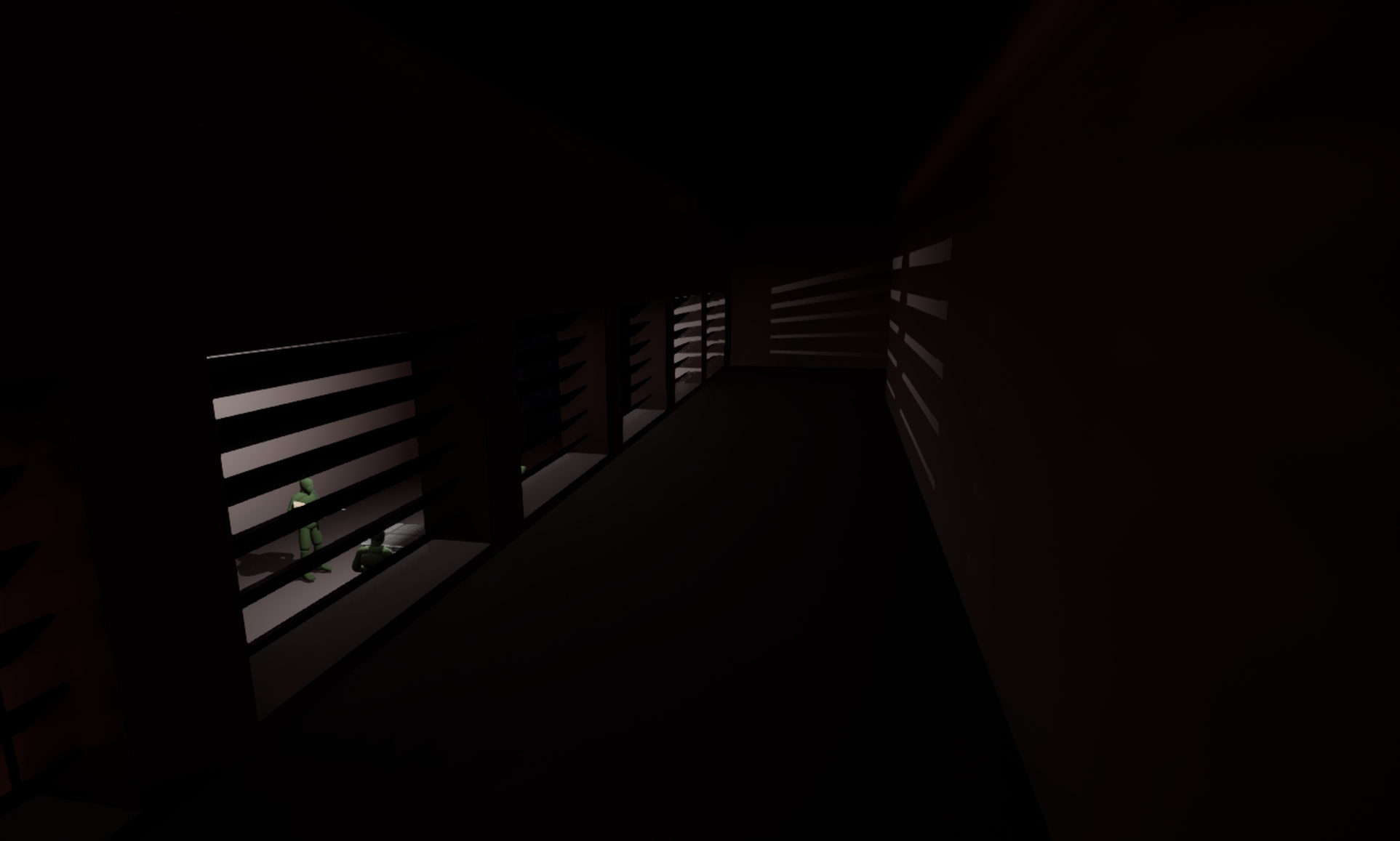
Moving through the second ventilation shaft, the player is guided by light filtering through grates, using lighting as a navigational cue. By approaching these light sources, the player is able to observe the secret meeting.
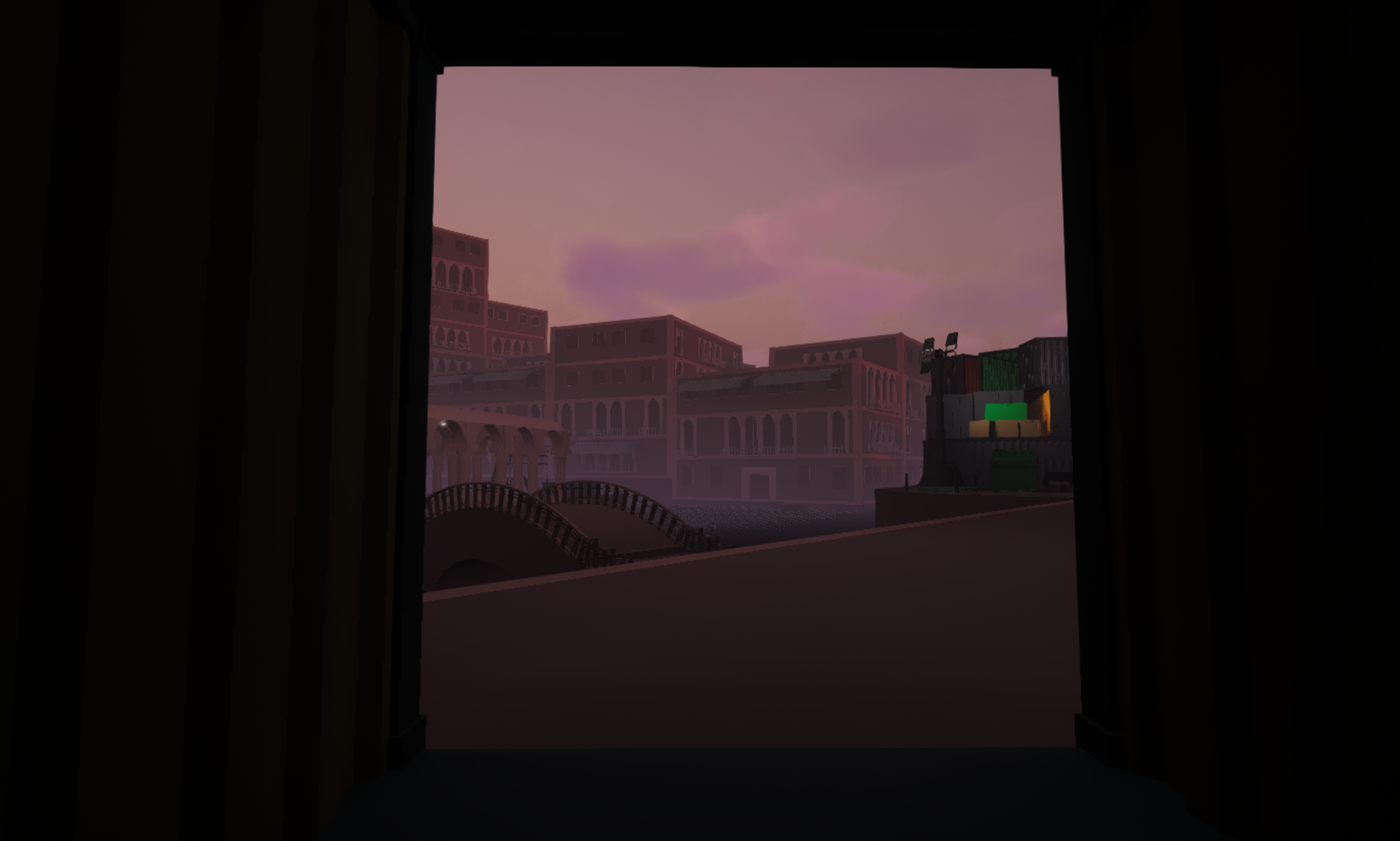
Upon completing the objective, the player exits the vents and emerges beneath the cargo containers adjacent to the scaffolding. This exit is intentionally positioned to create a sense of spatial continuity, revealing a previously traversed area from a new perspective.
This moment is designed as an “aha” moment, creating a surprise of having previously missed it.
Production
Pre:production
At the start of the project, I made the deliberate decision to design the level with a third person perspective, as camera choice fundamentally influences spatial design, player readability, and navigation. Establishing this early ensured that scale, composition, and layout would remain consistent with how the player experiences the space.
With the perspective defined, I began my pre:production process by gathering references from various sources, including films, games, books, and real world locations. These were added to a moodboard, with a focus on environment, architectural and narrative tone. My main source of inspiration came from a James Bond film.
Based on this research, I chose to use Venetian Gothic architecture, as it supports a larger, more exaggerated scale that complements a third person camera, while still maintaining authenticity and believability through real world references.
Paper Design
Once the visual direction and narrative were established, I sketched a rough top down map, to explore flow, pacing, and spatial relationships. This stage allowed me to test out different layouts with the intended player experience while considering the scope of the project. Although these early sketches provided a strong foundation, the design remained iterative, evolving throughout development in response to testing.
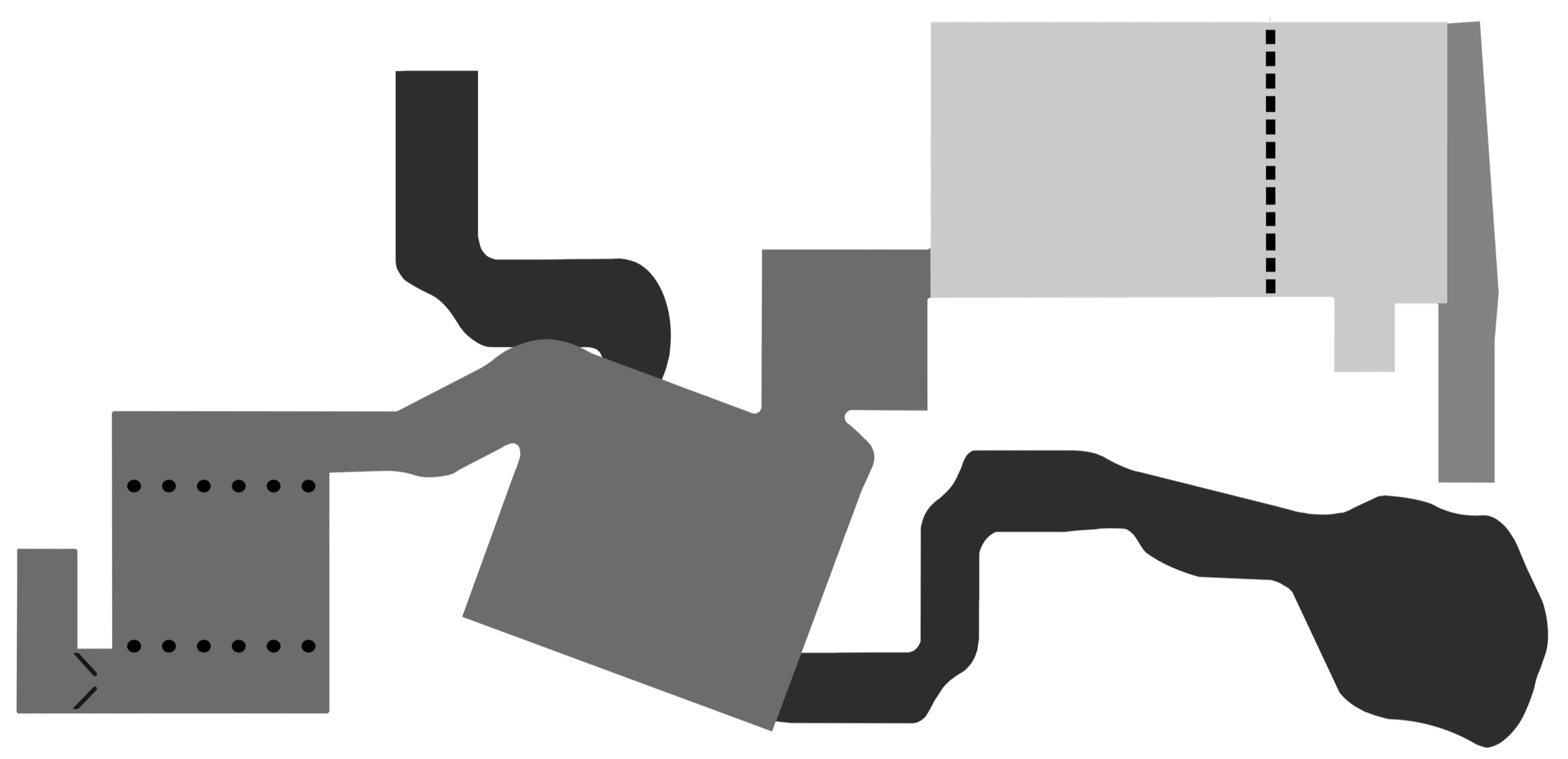
Blockout
After completing the first iteration of the top down sketch, I began blocking out the map with focus on scale and pacing as core level design principles.
To support this process, I implemented a collision sphere on the player character, using it as a measurement tool to evaluate proportions and identify potential camera clipping issues. This ensured that the environment maintained a consistentscale in relation to the surrounding architecture.
Once scale and pacing were established, I began shaping the level’s architecture to frame playable spaces and guide player movement. At this stage, I considered key gameplay sequencing, particularly how and when different elements of the level would be revealed to the player to support progression and player engagement.
Throughout development, I prioritised iterative design, continuously refining layout and flow based on playtesting, prior experience, and feedback from peers and mentors. This iterative approach allowed for ongoing improvements to readability, navigation, and overall player experience.

A topdown shot of the development of the full level
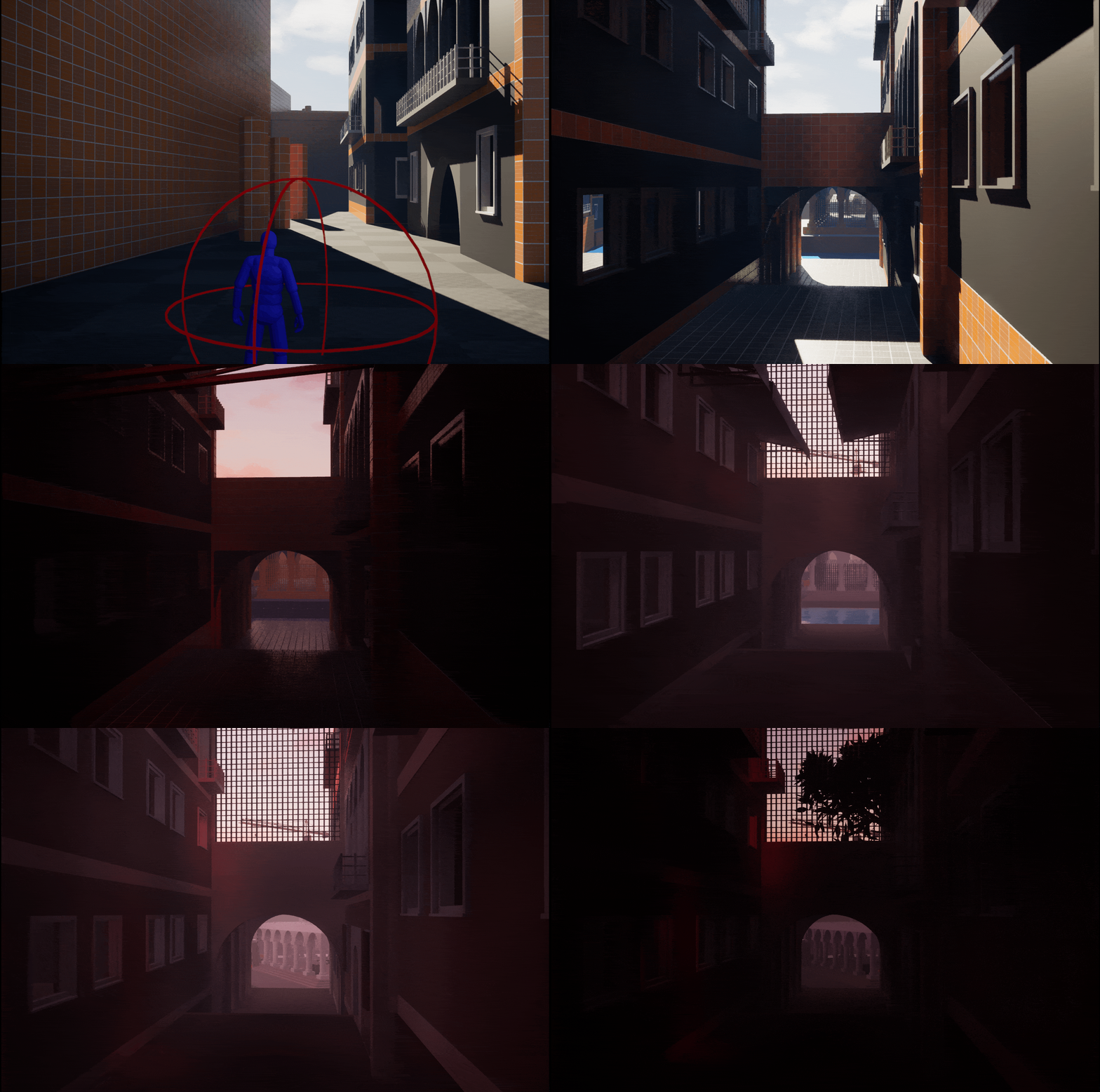
Development of the archway
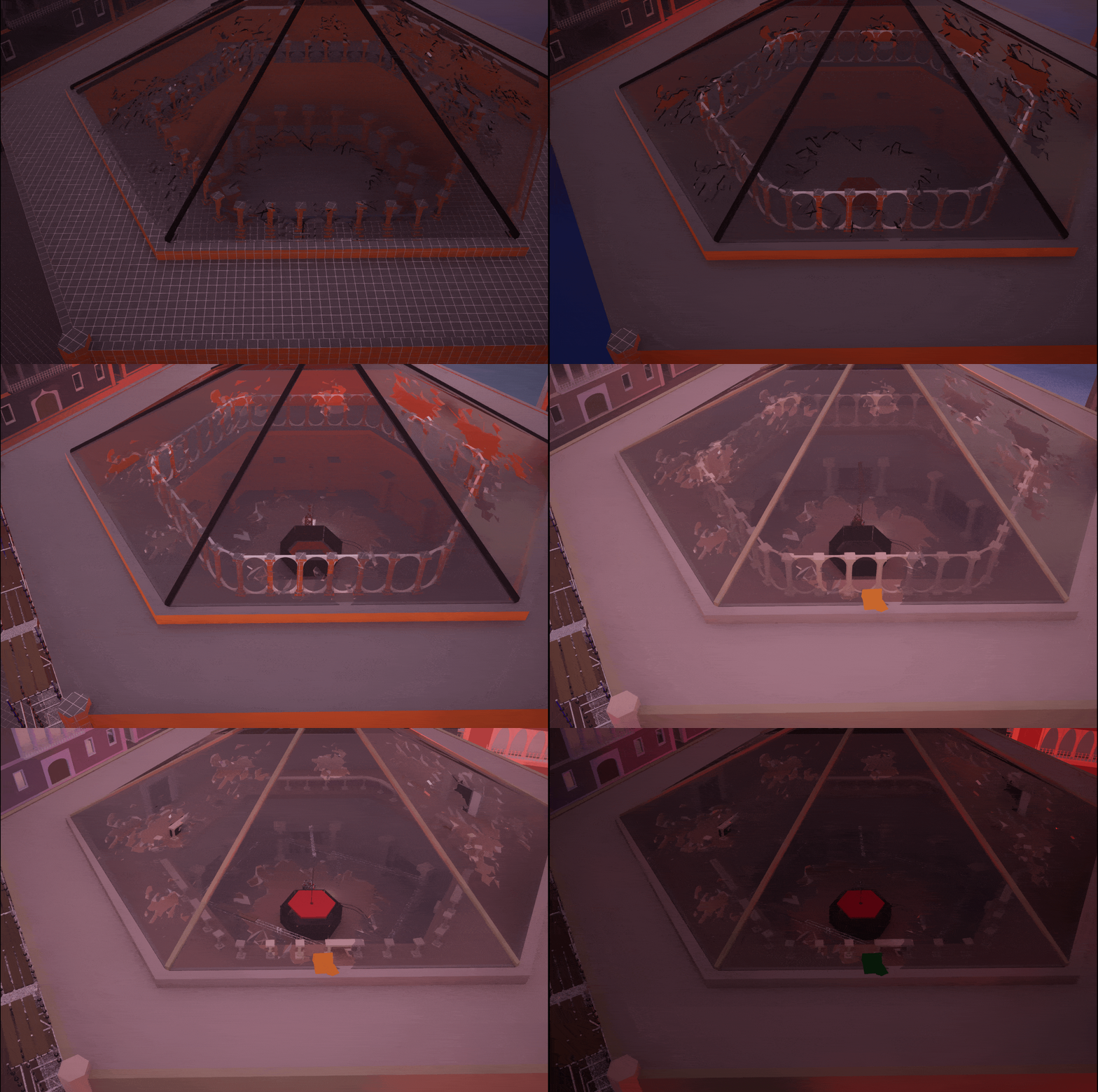
Timeline of the interior construction of the museum
Using a sphere collision as a measuring tool
Reflections
This project allowed me to explore and apply core level design principles, including player guidance, composition, pacing, and environmental storytelling within a cohesive gameplay experience.
Through a combination of blockoutiteration, playtesting, and feedback, I was able to refine the flow of the level and ensure that navigation and progression remained readable to the player.
A key strength of the project lies in its use of diegetic guidance where lighting, architecture, and object placement directs the player. Additionally, the focus on stealth oriented gameplay and controlled encounter design helped establish a clear gameplay identity, aligning with the narrative.
One area I would have liked to further develop is the incorporation of more movement and verticality throughout the level. While vertical elements are introduced in certain sections, expanding on these opportunities could enhance player choice and spatial variety. I would also aim to introduce a greater number of combat scenarios, allowing for a more dynamic pacing between stealth and direct engagement.
I believe these areas would create morebalance between exploration, stealth, and combat, while maintaining a strong focus on readability and player experience.